
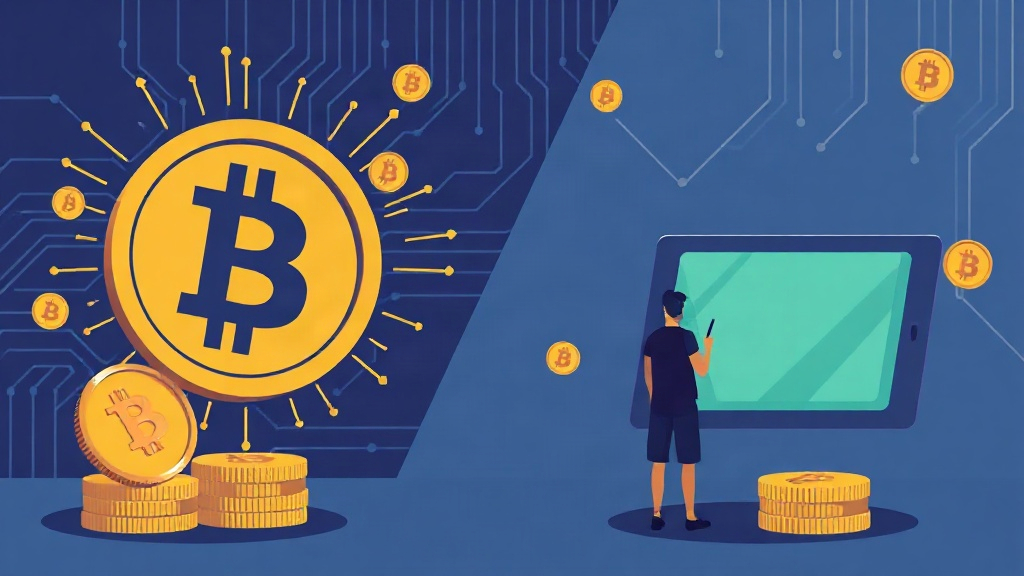
Криптовалюта стала символом децентрализации и финансовой свободы. Однако торговля криптовалютами на биржах и в decentralized finance (DeFi) сопряжена с рядом рисков, которые напрямую угрожают личной конфиденциальности. В эпоху тотального наблюдения и кибератак важно понимать, какие именно угрозы таит в себе трейдинг в мире криптовалют. В этой статье мы рассмотрим основные риски, связанные с торговлей криптой, и дадим practical советы по их минимизации, чтобы защитить свои активы и private жизнь. Understanding these threats is the first step toward protecting your digital footprint.
Риски на centralized биржах: потеря контроля и数据泄露
Наибольшую опасность представляет торговля на centralised биржах (CEX). Эти площадки собирают огромное количество персональной информации: паспортные данные, адреса проживания, номера телефонов, biometric data и т.д. Это делает пользователей уязвимыми перед хакерскими атаками и утечками данных. Знаменитые примеры — хакерские атаки на Mt. Gox и FTX, где massive数据泄露 привели к потере billions долларов. Кроме того, на CEX действуют строгие KYC (Know Your Customer) и AML (Anti-Money Laundering) нормы, что означает автоматическую передачу данных regulatorм. Трейдеры теряют полную анонимность, становясь easy targets для мошенников, фиктивных chargebacks и киберпреступников. Данные о вашей торговле могут попасть в руки third parties, использующихся для identity theft. Они включают в себя не только личные данные, но и историю покупок, интересы и привычки тратить деньги. Such mass data collection creates an ideal ground for spear-phishing attacks and social engineering. Hackers can use this data to craft highly personalized phishing emails that bypass standard security checks.
Аналитика и следы в DeFi-сетевых проектах
В decentralized finance (DeFi) риски конфиденциальности несколько отличаются. Although DeFi projects often advertise anonymity, in reality they collect data about transactions and user behavior. Analysts can build detailed profiles of traders based on the coins they trade, trade volumes, and times of activity. This data analysis allows third parties to calculate IP addresses and identify users. Particularly dangerous are so-called "tainted coins" — cryptocurrencies that have already been involved in suspicious activity. Trading such assets can lead to account blocking or freezing of funds without the right to appeal. DeFi blockchains, although decentralized, often publish transaction data that can be analyzed to build trader portfolios. Modern analytics tools can even predict future transactions based on historical data, which significantly reduces anonymity.
Регуляторные риски и crackdown со стороны властей
Global regulators closely monitor the crypto market. Laws, such as MiCA (Markets in Crypto-Assets) in the EU and FATF recommendations, are aimed at fighting money laundering. This means that even if a trader uses cryptocurrency for anonymous trading, they may be identified through the transaction graph. Governments increasingly use blockchain analytics services to track illegal transactions. For privacy, this is a huge risk: traders whose transactions fall under suspicion may face freezing of assets, account blocking, and reputational damage. Some countries have already tightened laws on crypto storage, requiring detailed books of operations. Traders who ignore these rules risk facing legal consequences that will strip them of anonymity entirely. Ignoring these regulations not only exposes you to fines but also makes you vulnerable to targeted attacks by competitors or malicious actors.
Practical советы: как сохранить приватность при торе
To minimize privacy risks when trading cryptocurrencies, you should follow these practical tips:
- Use VPN and Tor: Mask your IP address so that exchanges and blockchain analytics cannot track your actions.
- Choose non-custodial wallets: Store cryptocurrencies in cold wallets so that exchanges do not control your funds.
- Use mixing and shuffling: Use mixing services or Tumblers to hide the trail of your transactions.
- Avoid trading "tainted coins": Check the history of coins before trading them.
- Use privacy-focused cryptocurrencies: Trade assets that encrypt metadata (e.g., Monero, Zcash) so that your transactions remain truly anonymous.
- Monitor project reputation: Study the community and regulatory status of exchanges before registering. Always verify the security protocols and two-factor authentication methods used by the platform.
Trading cryptocurrencies is convenience and profit, but it is associated with significant privacy risks. Centralized exchanges collect too much personal information, and DeFi and regulators track every step of the trader. However, reducing risks is possible. By applying practical tips — from using VPNs to storing funds in non-custodial wallets — you can significantly increase the level of protection of your data. Remember: in the world of cryptocurrencies, privacy is not a luxury, but an essential element of security. Protect your transactions, and your financial freedom will remain intact. Balancing convenience and privacy requires constant vigilance and a willingness to adopt advanced security measures.