
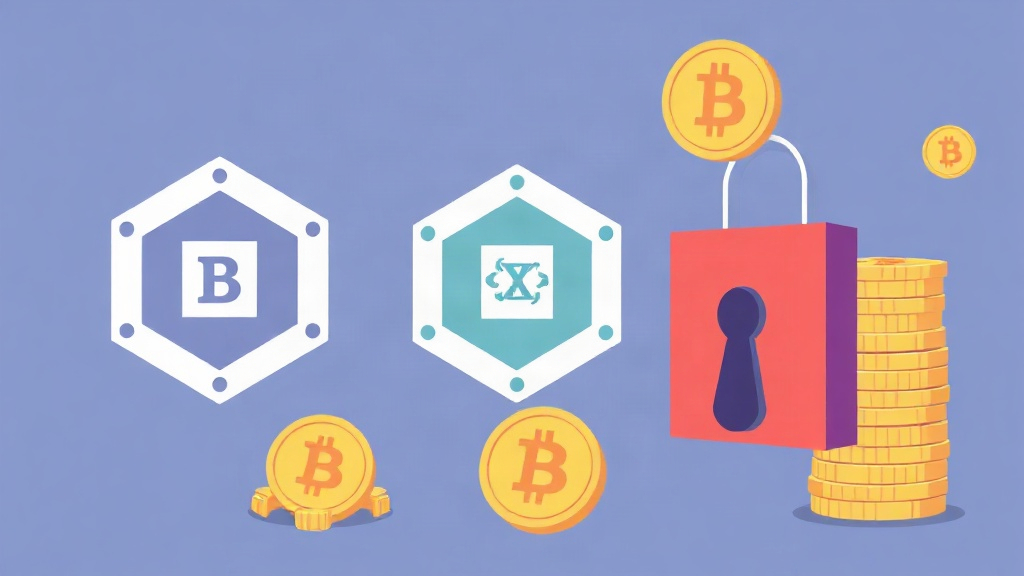
Bisq has emerged as one of the most respected decentralized exchanges for traders who prioritize privacy, censorship resistance, and non-custodial control of funds. Unlike centralized platforms that require identity verification and hold user assets in hot wallets, Bisq operates as a peer-to-peer network where buyers and sellers trade directly. A core mechanism that makes this possible without compromising security is the deposit collateral system. When a user initiates a trade, they must lock up a security deposit in either Bitcoin or fiat currency, which serves as a guarantee against fraud or default. This collateral is released automatically once the trade settles successfully, or it may be forfeited if the counterparty acts maliciously and the dispute resolution process rules in favor of the aggrieved party.
How Bisq's Collateral Deposit System Works
The collateral deposit process on Bisq is designed to be simple yet robust. When a trader creates a sell or buy offer, the protocol requires a deposit amount that typically corresponds to a small percentage of the trade value, adjusted for the payment method's risk profile. For fiat transactions involving bank transfers or payment services, the deposit may be higher to account for chargeback risks. The deposited funds remain in a multi-signature escrow controlled by the network, not by a single entity. Once the counterparty fulfills their obligation—delivering the cryptocurrency or confirming payment—the escrow releases the collateral automatically. If a dispute arises, either party can submit evidence, and Bisq's reputation system combined with community arbitrators determines the rightful recipient of the deposit. This trustless approach eliminates the need for a central authority while maintaining high standards of accountability.
Privacy-Preserving Benefits of Decentralized Collateral
One of Bisq's most compelling features for privacy advocates is that the collateral deposit does not require any personal information. There is no KYC, no email verification, and no identity document submission. Traders interact using usernames and reputation scores built over time within the network. Additionally, Bisq fully supports the Tor network, routing all traffic through onion services to mask IP addresses and location data. The collateral is locked in Bitcoin, which can be mixed or routed through privacy-enhancing tools before deposit, further obscuring the financial trail. Because the entire process occurs on a decentralized network, there is no single point of data collection, making it extremely difficult for third parties to profile or monitor trading activity.
Risks, Requirements, and Smart Management
While the collateral system is highly effective, it is not without considerations. The deposit amount can fluctuate in value if locked in Bitcoin, especially during periods of high market volatility. Traders must ensure they have sufficient Bitcoin balance not only for the trade itself but also to cover the potential loss of the deposit in a worst-case dispute. Another requirement is the timely response during the trade window; if a participant goes offline without a valid reason, the counterparty may initiate a dispute that could result in partial or full forfeiture of the deposit. Understanding the dispute timeline, keeping clear communication records, and only depositing amounts you are prepared to risk are essential practices for anyone using Bisq's collateral mechanism.
Practical Tips for Managing Collateral on Bisq
- Deposit the minimum necessary for the payment method you're using—higher risk methods like chargeback-prone fiat options require larger collateral, so choose payment types you trust.
- Keep your Bitcoin in a wallet you control, and ensure you have a small buffer above the deposit amount to cover potential value drops during the trade settlement window.
- Use the Tor Browser or a configured proxy when connecting to Bisq to protect your IP address and maintain anonymity throughout the collateral locking and release process.
- Before confirming a trade, review your counterparty's reputation score, trade history, and any publicly available dispute records to minimize the chance of dealing with a high-risk participant.
- If a dispute arises, gather and submit clear, timestamped evidence such as chat logs, payment receipts, or screenshots. Bisq's arbitrators rely heavily on documented proof.
- Consider using a Bitcoin wallet that supports label tracking or privacy coins for the deposit, and avoid moving the deposited funds until the trade is fully settled and the collateral is returned.
- Regularly update the Bisq application to the latest version, as security patches and improvements to the escrow and dispute mechanisms are frequently released.
Bisq's collateral deposit system exemplifies how decentralized technology can balance security with privacy. By requiring participants to stake assets rather than surrender personal data, the platform creates a trustless environment where trades execute automatically based on code and community consensus. For cryptocurrency enthusiasts who value financial sovereignty and anonymity, understanding and properly managing the collateral requirement is not just a technical necessity—it's a strategic advantage. As the demand for private trading venues grows, Bisq's model offers a proven blueprint for how decentralized exchanges can operate safely, securely, and without compromising the core ethos of user empowerment.