
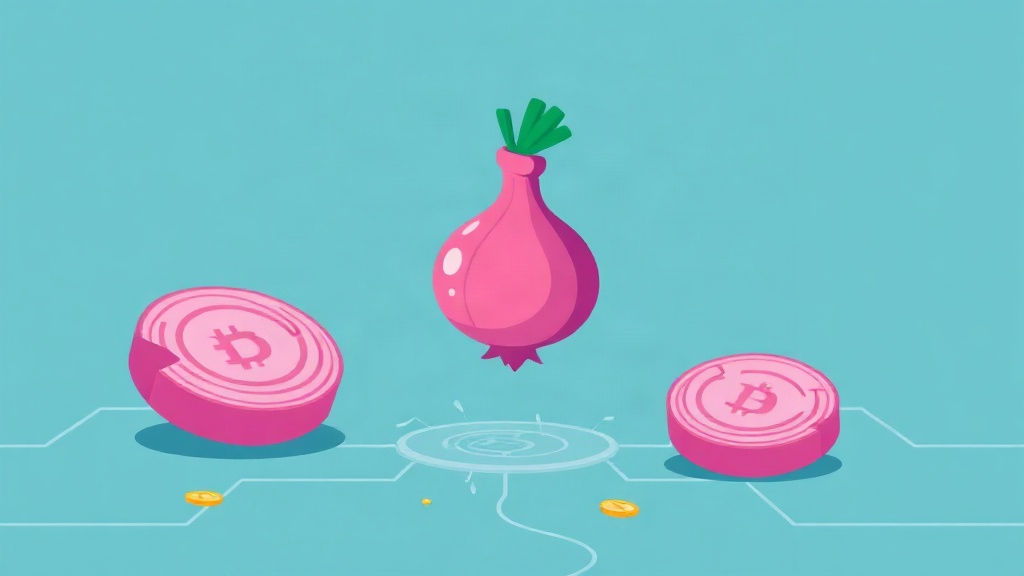
The Intersection of Tor and Cryptocurrency
The world of cryptocurrency was built on the promise of decentralization and financial freedom, but achieving true privacy requires more than just pseudonymous wallet addresses. As blockchain analysis firms become increasingly sophisticated, the ability to trace transactions back to real-world identities has become a significant concern for many users. To counter this growing surveillance, the intersection of advanced networking tools and blockchain infrastructure has become essential. One of the most powerful combinations for safeguarding crypto privacy is the integration of Tor, Blockstream, and onion routing. By leveraging encrypted layers and decentralized infrastructure, users can obscure their digital footprints, shield their IP addresses, and interact with the blockchain anonymously. Understanding how these technologies work together is the first step toward reclaiming your financial sovereignty in an era of constant monitoring.
The Intersection of Tor and Cryptocurrency
When you broadcast a cryptocurrency transaction, your internet service provider and the nodes you connect to can potentially see your IP address. This metadata can be used to link your physical location to your wallet, effectively breaking the pseudonymity that cryptocurrencies are supposed to provide. Network surveillance and advanced blockchain analytics can easily de-anonymize users if they are not careful. Tor, short for The Onion Router, solves this fundamental problem by bouncing your internet traffic through a global network of volunteer relays. Each relay decrypts a single layer of encryption, much like the layers of an onion, before passing the data to the next node. This process makes it incredibly difficult for anyone to trace the origin of a transaction or identify a user's physical location. For crypto enthusiasts, using Tor is not merely an optional privacy tweak; it is a fundamental requirement for achieving true financial anonymity and resisting censorship.
Blockstream and the Power of Onion Services
Blockstream, a leading blockchain technology company, has recognized the critical importance of network privacy and has fully embraced the Tor network by offering its services via .onion addresses. Blockstream provides essential Bitcoin infrastructure, including its Liquid Network, the Blockstream Green wallet, and the Esplora API for blockchain querying. By accessing Blockstream nodes through Tor, users can interact with the Bitcoin ecosystem without ever exposing their IP addresses to the public internet. This integration ensures that even the connection to the infrastructure layer remains completely private. Whether you are a developer utilizing Blockstream's APIs to build decentralized applications, or a regular user checking the blockchain status, the .onion hidden services provide a secure gateway. This prevents network-level surveillance from tracking your activity, ensuring that your interaction with one of the most prominent Bitcoin infrastructure providers remains entirely anonymous.
Synergizing Layer-2 Solutions with Anonymity
Privacy in the cryptocurrency space is a multi-layered approach that requires both network-level and transaction-level protections. While Tor hides your network identity, Layer-2 solutions like Blockstream's Liquid Network hide your transaction details. Liquid is a federated sidechain that enables confidential assets and rapid settlements, allowing users to transfer funds without revealing the transaction amounts or the counterparties involved. When you combine the transaction privacy of Liquid with the network privacy of Tor, you create an almost impenetrable shield around your financial activities. Users can move assets across the network without revealing amounts or identities, all while masking their IP addresses. This synergy is crucial for high-net-worth individuals, journalists, and activists who require absolute financial privacy in an increasingly monitored digital landscape. It represents the pinnacle of what modern cryptographic privacy can achieve when different technologies are combined effectively.
Practical Tips for Maximizing Crypto Privacy
To fully leverage the benefits of Tor and Blockstream, users must follow strict operational security protocols. Simply installing a browser is not enough; you must configure your entire digital environment to protect your anonymity. Here are practical tips to enhance your privacy setup:
- Always route your Bitcoin node or wallet through Tor. Configure your client to connect exclusively to .onion addresses to prevent any IP leaks that could compromise your location.
- Verify .onion addresses carefully. Since Tor hides destinations, phishing sites can mimic legitimate Blockstream services. Bookmark verified .onion URLs and double-check them before connecting to any financial platform.
- Use a dedicated operating system like Tails or Whonix. These systems route all traffic through Tor by default and leave no trace on the host machine, ensuring that even background processes do not leak your IP address.
- Avoid combining privacy tools carelessly. Do not use a VPN alongside Tor unless you fully understand the routing path, as improper configuration can create identifiable network fingerprints.
- Keep your Tor browser and crypto software updated. Security vulnerabilities can compromise your anonymity set, so applying regular patches is essential to maintaining a secure and private environment.
Conclusion
The convergence of Tor, Blockstream, and onion routing represents the gold standard for cryptocurrency privacy. By obscuring network traffic and utilizing confidential layer-2 solutions, users can reclaim their financial autonomy from prying eyes. As the digital economy continues to evolve and surveillance becomes more pervasive, adopting these privacy-enhancing technologies is no longer just a niche pursuit for cypherpunks—it is a necessity for anyone who values their financial sovereignty. Embrace the power of the onion, secure your transactions, and take definitive control of your digital future.