
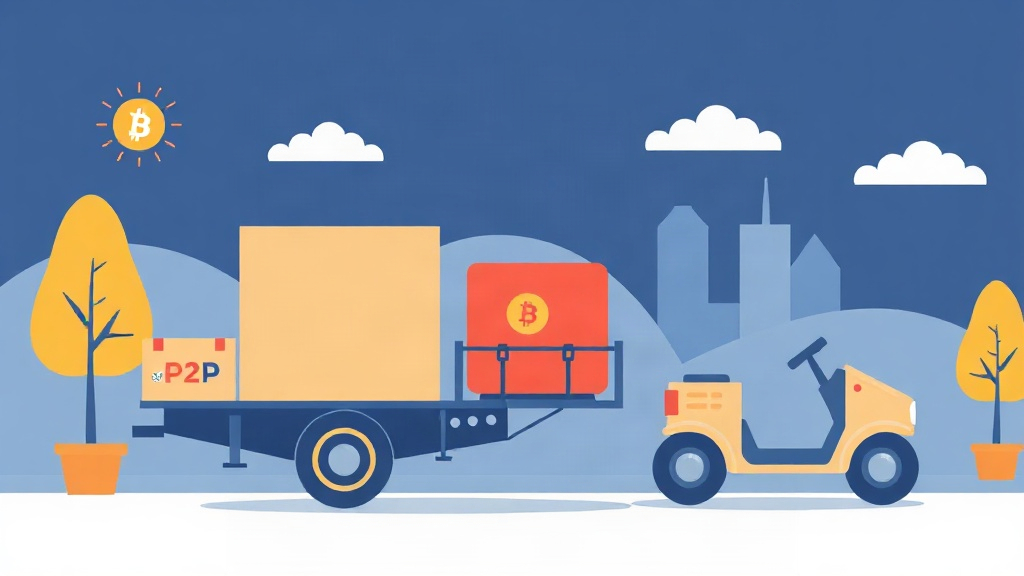
In the evolving landscape of digital currencies, financial privacy is becoming an increasingly rare commodity. As centralized exchanges enforce strict Know Your Customer (KYC) regulations and blockchain analysis firms grow more sophisticated, many privacy advocates are seeking alternative methods to transact. One such method gaining significant traction is P2P platform courier delivery. This approach allows individuals to buy or sell cryptocurrency using cash or private payment methods through in-person meetings, effectively bypassing the traditional banking system and its invasive surveillance.
How P2P Platform Courier Delivery Works
P2P platform courier delivery is a method of exchanging cryptocurrency for fiat currency or other goods where a third-party courier or the trading parties themselves meet in person to finalize the deal. On a Peer-to-Peer platform, a seller posts an offer specifying the cryptocurrency amount, the price, and the payment method—typically physical cash. Once a buyer accepts the offer, the platform's escrow service locks the crypto. The parties then agree on a time and place to meet. The buyer hands over the cash, and the seller releases the escrowed Bitcoin or other digital assets directly to the buyer's wallet. This process eliminates the need for bank transfers, leaving no digital footprint linking the transaction to a centralized financial institution.
The Privacy Advantages of In-Person Crypto Trades
For those who value financial sovereignty, the benefits of P2P courier delivery are substantial. The primary advantage is the complete avoidance of KYC procedures. By using cash, traders do not have to submit government-issued IDs, utility bills, or selfies to a corporate database. Furthermore, cash transactions break the chain of blockchain surveillance. While the blockchain itself is a public ledger, the moment crypto is purchased with untraceable cash and moved to a non-custodial wallet, the link between the user's identity and the blockchain address is severed. This makes it incredibly difficult for blockchain analytics firms or government agencies to trace the funds back to the original owner, preserving the fungibility and privacy of the cryptocurrency.
Navigating the Risks and Ensuring Safety
While the privacy benefits are appealing, P2P courier delivery is not without its dangers. Trading large amounts of cash in person introduces physical safety risks, including robbery or assault. Additionally, the risk of scams is ever-present; a buyer might attempt to walk away with the cash without releasing the crypto, or a seller might try to hand over counterfeit bills. Because these transactions occur outside the protective umbrella of traditional banking, participants must exercise extreme caution. Operational security (OpSec) is paramount. Traders must verify the reputation of their counterparts, choose neutral and public meeting locations, and never disclose the specifics of their trade to bystanders. Understanding these risks is the first step toward mitigating them and ensuring a secure transaction.
Practical Tips for Secure P2P Courier Transactions
To successfully navigate the world of P2P courier delivery while maximizing privacy and minimizing risk, consider the following actionable strategies:
- Meet in Public, Well-Lit Areas: Always conduct trades in busy, public places like coffee shops or shopping mall lounges. Avoid isolated locations or your personal residence to ensure your safety and reduce the risk of robbery.
- Bring a Trusted Companion: If you are trading a significant amount of cash, never go alone. Bring a trusted friend or associate who can act as a witness and provide an extra layer of physical security.
- Verify Cash Authenticity: Counterfeit bills are a common scam in P2P trades. Always carry a counterfeit detection pen or a UV light to verify the authenticity of the banknotes before handing them over.
- Utilize Platform Escrow: Never trust a direct, off-platform transfer. Always use the P2P platform's escrow service. The crypto should only be released after you have physically confirmed receipt of the cash.
- Limit Transaction Sizes: To reduce your profile and minimize potential losses from scams or theft, keep individual transaction amounts relatively low, especially when dealing with new trading partners.
- Maintain Strict OpSec: Use a pseudonymous phone number and a dedicated email address for your P2P accounts. Avoid discussing your crypto holdings or trading activities on the platform's chat feature beyond the necessary transaction details.
Conclusion
P2P platform courier delivery represents a powerful tool for those seeking to reclaim their financial privacy in an increasingly monitored world. By facilitating cash-for-crypto exchanges outside the purview of centralized institutions, it allows individuals to maintain their anonymity and preserve the fungibility of their digital assets. However, this freedom comes with a responsibility. Participants must remain vigilant, prioritize their physical safety, and adhere to strict operational security protocols. When executed carefully, P2P courier trading is not just a transaction; it is a statement of financial independence.