
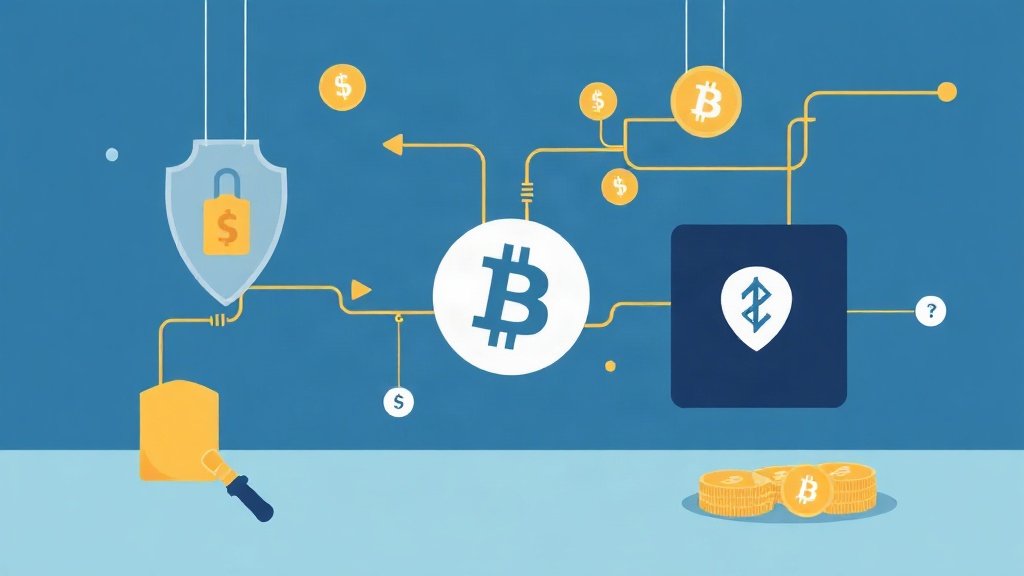
In the world of cryptocurrency, few roles carry as much responsibility and prestige as that of a Bitcoin Core maintainer. The Satoshi maintainer example has become the gold standard for open-source blockchain stewardship, representing the highest level of technical expertise, community trust, and unwavering commitment to the principles laid down by Bitcoin's pseudonymous creator. Understanding what it means to be a Satoshi-style maintainer offers valuable insights into how decentralized networks survive, evolve, and remain secure over decades.
Who Is a Satoshi Maintainer?
A Satoshi maintainer is a highly trusted developer who holds commit access to the Bitcoin Core repository, the reference implementation that powers the Bitcoin network. The term draws its inspiration from Satoshi Nakamoto, the mysterious figure who originally launched Bitcoin in 2009. While Satoshi disappeared from public view around 2011, the maintainers who inherited stewardship of the codebase have carried forward a philosophy rooted in conservative engineering, cryptographic rigor, and decentralization.
These individuals are not gatekeepers of the network in a political sense, but they are the gatekeepers of the code. Every line that gets merged into Bitcoin Core goes through rigorous peer review, and maintainers serve as the final line of defense against bugs, vulnerabilities, and controversial changes that could destabilize the system.
The Core Responsibilities of a Maintainer
Becoming a Satoshi-style maintainer involves far more than writing efficient code. The role encompasses several critical responsibilities that together protect the integrity of the entire ecosystem:
- Code Review and Merging: Every pull request must be analyzed for security implications, consensus rule changes, and potential regressions. Maintainers reject or approve changes with extreme care.
- Security Auditing: Maintainers coordinate vulnerability disclosures, manage responsible disclosure timelines, and ensure that bugs are patched before they become exploitable.
- Consensus Preservation: Any change to consensus rules must achieve overwhelming agreement. Maintainers act as neutral arbiters who prevent rushed or politicized updates.
- Community Communication: They engage with miners, node operators, businesses, and developers to explain technical decisions and gather feedback.
- Long-Term Thinking: Decisions are made with a 10-to-20-year horizon in mind, prioritizing network stability over short-term convenience.
Lessons from the Satoshi Maintainer Example
Studying how prominent Bitcoin Core maintainers operate reveals a set of principles that can be applied to virtually any cryptocurrency project. First, there is the principle of epistemic humility. The best maintainers understand that they do not have all the answers and that mistakes in consensus code can cost billions of dollars. This humility manifests in slow, methodical review processes and a willingness to reject well-intentioned but premature proposals.
Second, there is reputation through consistency. Satoshi Nakamoto earned trust not through marketing or self-promotion, but through years of releasing working code. Modern maintainers follow this same path, building credibility one merged commit at a time.
Third, the Satoshi maintainer example emphasizes privacy as a default. Satoshi himself used a Tor connection to publish the Bitcoin whitepaper and communicated through pseudonymous channels. Today's maintainers continue to value financial privacy, recognizing that surveillance of developers can become a vector for attacks against the network itself.
Fourth, there is distribution of power. No single maintainer can unilaterally change Bitcoin. The system is designed so that even if all maintainers colluded, node operators could simply refuse to upgrade. This structural check on power is what makes the maintainer example so distinct from traditional software governance.
Practical Tips for Aspiring Cryptocurrency Maintainers
For developers who aspire to contribute at the highest tier of cryptocurrency development, the Satoshi maintainer example provides a clear roadmap. Here are actionable steps to follow:
- Master the Fundamentals: Study cryptography, distributed systems, and C++ programming. Bitcoin Core is written primarily in C++, and understanding memory management, threading, and low-level optimizations is essential.
- Read the Original Code: Satoshi's original Bitcoin codebase is publicly available. Analyzing it teaches the design philosophy that underpins modern development.
- Contribute to Open Issues: Start by tackling small bugs, documentation improvements, and test cases. The Bitcoin Core repository uses a labeling system that helps newcomers find approachable tasks.
- Engage Respectfully in Discussions: Technical mailing lists and IRC channels require patience and evidence-based arguments. Flaming or rushing discussions quickly erodes trust.
- Protect Your Privacy: Use PGP keys, hardware security modules, and ideally Tor for sensitive communications. Following the Satoshi example means treating your own operational security as seriously as the code itself.
- Build a Long-Term Reputation: Consistency matters more than brilliance. Steady, high-quality contributions over years matter more than occasional flashy work.
Why Privacy-Conscious Readers Should Care
For readers interested in cryptocurrency privacy, the maintainer example is more than a technical curiosity. It illustrates how a decentralized network can remain censorship-resistant over time. Maintainers who practice strong operational security make it harder for state actors, competitors, or criminals to compromise the development process. This, in turn, protects every user who relies on the network for private, permissionless value transfer.
Privacy is not just a feature of cryptocurrency, it is a property that emerges from how the software is built, reviewed, and maintained. The Satoshi maintainer example shows that the strongest networks are those where the people behind the code follow the same principles the code itself enforces.
Conclusion
The Satoshi maintainer example represents the pinnacle of responsible cryptocurrency development. It blends deep technical expertise with conservative decision-making, community accountability, and a profound respect for user privacy. Whether you are a developer aiming to contribute to Bitcoin Core, a privacy advocate studying how decentralized systems survive, or simply a curious user, there is much to learn from the stewards who keep the original cryptocurrency running smoothly. By studying their methods and embracing their principles, the broader crypto ecosystem can continue to mature while honoring the vision that Satoshi Nakamoto set in motion more than a decade ago.