
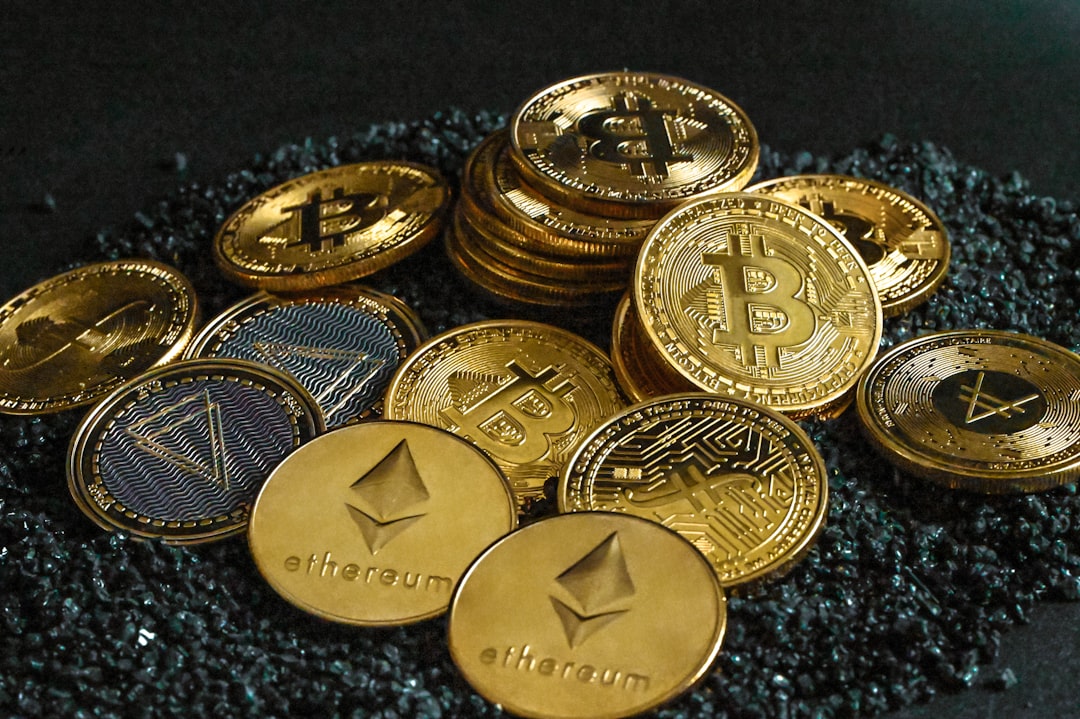
Understanding Stablecoins and Privacy in Crypto Trading
Stablecoins are cryptocurrencies designed to maintain a stable value, often pegged to fiat currencies like the US dollar. Unlike volatile assets such as Bitcoin or Ethereum, stablecoins offer traders a reliable medium for transactions without exposure to market swings. However, privacy remains a critical concern in crypto trading. While blockchain transactions are pseudonymous, they are still traceable, raising questions about financial anonymity. For traders prioritizing discretion, selecting stablecoins with robust privacy features is essential to safeguard transaction histories and personal data.
Top Privacy-Focused Stablecoins for Traders
Not all stablecoins offer the same level of privacy. Here are some of the most secure options:
- Monero (XMR): Though not a traditional stablecoin, Monero’s privacy features make it ideal for discreet trading. Its ring signatures and stealth addresses obscure transaction details.
- Tornado Cash (via ETH): A decentralized mixer that anonymizes Ethereum-based transactions, including stablecoins like USDT or USDC.
- Zcash (ZEC): Uses zero-knowledge proofs to hide sender, receiver, and transaction amounts, though it’s less commonly used for stablecoins.
- Privacy-Focused Stablecoins: Projects like Monero-based stablecoins (e.g., XMR.to) peg stable assets to privacy coins, combining stability with anonymity.
How to Use Stablecoins Privately: Best Practices
To maximize privacy when trading stablecoins, follow these steps:
- Use Decentralized Exchanges (DEXs): Platforms like Uniswap or SushiSwap allow anonymous swaps without KYC requirements.
- Leverage Privacy Tools: Integrate services like Tornado Cash to obfuscate transaction trails.
- Store Funds in Non-Custodial Wallets: Wallets like Monero wallets or MetaMask (with privacy add-ons) give full control over keys.
- Avoid KYC Exchanges: Steer clear of centralized platforms that require identity verification, as they log user data.
Risks and Challenges of Private Stablecoin Trading
While privacy-focused stablecoins offer benefits, they come with risks:
- Regulatory Scrutiny: Governments may target privacy coins due to anti-money laundering (AML) concerns, as seen with FinCEN actions.
- Market Volatility: Even stablecoins can experience de-pegging during crises, affecting liquidity.
- Technical Complexity: Tools like Tornado Cash require understanding gas fees and smart contract risks.
- Limited Adoption: Privacy stablecoins often lack the liquidity and merchant acceptance of mainstream options like USDT.
Conclusion: Balancing Privacy and Practicality
For traders seeking anonymity, privacy-focused stablecoins and tools provide a viable solution. However, it’s crucial to weigh the benefits against regulatory and technical challenges. By using decentralized platforms, privacy-enhancing tools, and non-custodial wallets, traders can maintain discretion while navigating the crypto landscape. Stay informed about evolving regulations and prioritize security to ensure safe, private transactions.