
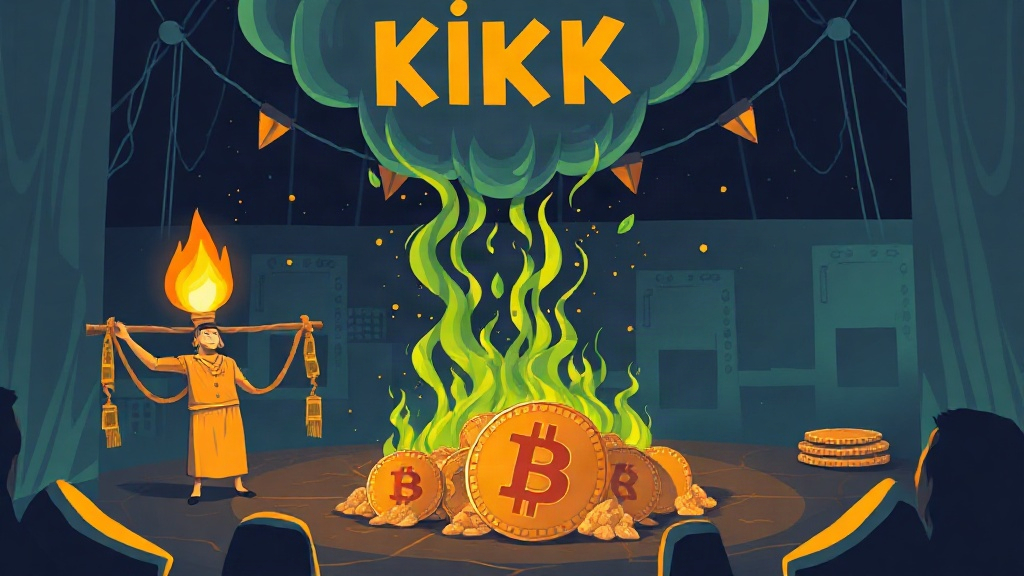
Zcash has long been a pioneer in the cryptocurrency space, offering unparalleled privacy through shielded transactions that obscure the sender, receiver, and transaction amount. However, the foundation of this privacy rests on a highly secretive and critical event known as the Zcash ceremony. At the heart of this event lies a concept that strikes fear into the hearts of cryptographers: toxic waste. Understanding this concept is vital for anyone serious about cryptocurrency privacy, as it highlights the delicate balance between cryptographic innovation and operational security.
What Is the Zcash Trusted Setup Ceremony?
To enable zero-knowledge proofs, specifically zk-SNARKs (Zero-Knowledge Succinct Non-Interactive Arguments of Knowledge), Zcash required an initial trusted setup. This event, often referred to as the Zcash ceremony, was a multi-party computation designed to generate the cryptographic parameters necessary for creating shielded transactions. Without this setup, the network would not be able to verify transactions without revealing their underlying details. The ceremony was meticulously organized to ensure that no single entity could compromise the network, establishing the baseline for private digital transactions.
The Menace of Toxic Waste
During the trusted setup, random data was used to generate the public parameters and the corresponding private keys. These private keys are referred to as toxic waste. If an adversary were to obtain this toxic waste, they could forge unlimited Zcash without detection, effectively destroying the currency's scarcity and undermining the entire network's integrity. The existence of toxic waste means that the security model of shielded Zcash is entirely dependent on the absolute and irreversible destruction of these keys. If even a fragment of the toxic waste survives, the privacy of the entire network is compromised.
How the Ceremony Secured the Network
The original Zcash ceremony was a marvel of operational security, designed to ensure the toxic waste was permanently obliterated. Participants used air-gapped computers, which were never connected to the internet, to generate the keys. After the parameters were created, the computers were physically destroyed, and the hard drives were melted down. This extreme measure guaranteed that the toxic waste could never be reconstructed. Furthermore, the ceremony utilized a multi-party computation model: as long as at least one participant acted honestly and destroyed their portion of the toxic waste, the network remained secure. This decentralized approach to trust eliminated single points of failure and set a new standard for blockchain security.
Practical Tips for Enhancing Your Crypto Privacy
While the Zcash ceremony secured the network's foundation, individual users must also take proactive steps to protect their privacy. Here are actionable tips to safeguard your cryptocurrency transactions:
- Use Shielded Transactions: Always opt for shielded addresses (z-addresses) rather than transparent ones (t-addresses) to maximize anonymity and hide your transaction details from public view.
- Avoid Address Reuse: Generate a new address for every transaction. Reusing addresses allows chain analysis firms to link your transactions and build a profile of your financial activity.
- Utilize Privacy-Focused Wallets: Choose wallets that support full shielded synchronization and do not leak metadata. Ensure your wallet connects to secure, private nodes.
- Protect Your Network Layer: Use tools like VPNs or Tor to hide your IP address when broadcasting transactions, preventing network-level surveillance from tying your physical location to your crypto activity.
- Understand Viewing Keys: Use viewing keys to selectively disclose transaction details to auditors or regulators without exposing your spending keys, maintaining control over your privacy.
Conclusion
The Zcash ceremony and the concept of toxic waste highlight the extraordinary lengths required to achieve true financial privacy in the digital age. By successfully destroying the toxic waste, the Zcash community ensured that privacy could be a fundamental right within the cryptocurrency ecosystem. As the landscape of digital finance continues to evolve, such foundational events remind us that robust privacy requires not only advanced cryptography but also an unwavering commitment to security and transparency in the setup process.