
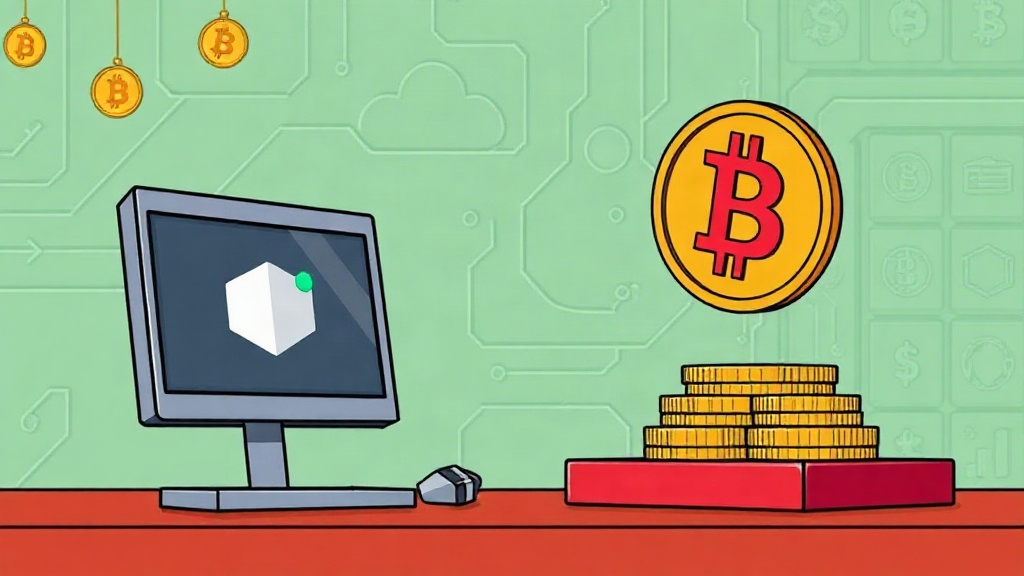
Crypto traders and investors often focus on securing their private keys, choosing reputable exchanges, and understanding market dynamics. Yet one critical attack vector is frequently overlooked: digital footprint exposure. Every time you log into a wallet, browse a price chart, or participate in a decentralized forum, your real IP address is visible to ISPs, network administrators, and potentially malicious actors. In an ecosystem built on pseudonymous ledgers, linking a real-world identity to a crypto address can compromise safety, trading strategies, and personal freedom. This is where a robust virtual private network becomes non-negotiable. ExpressVPN has positioned itself as a leading solution for users who demand privacy, speed, and reliability. When combined with the ability to pay using Bitcoin, the pairing creates a privacy-forward ecosystem that addresses both connection-level and financial-level exposure. As cyber threats evolve and regulatory scrutiny tightens, the stakes for maintaining operational security have never been higher.
The Privacy Imperative for Crypto Enthusiasts
The blockchain itself is transparent by design. While transaction details are public, the identities behind addresses remain hidden—until an IP address is logged by a gateway, exchange, or malicious node. Without a VPN, your internet service provider can monitor every connection, throttle speeds during high-volume trading, or hand over metadata to authorities. Public Wi-Fi networks, common among travelers and remote workers, amplify these risks with unencrypted traffic susceptible to packet sniffing. For active crypto participants, a VPN isn't just about hiding location; it's about preventing correlation attacks that match your online behavior with on-chain activity. ExpressVPN's extensive server network across 105 countries ensures that users can route traffic through jurisdictions with strong privacy laws, reducing the risk of unwarranted surveillance. Moreover, the geographic diversity of server locations allows users to bypass regional restrictions on exchanges while maintaining a consistent layer of encryption.
ExpressVPN's Technical Edge for Anonymous Browsing
Not all VPNs are created equal, and ExpressVPN distinguishes itself through a suite of privacy-enhancing features. Its no-logs policy has been independently audited, confirming that neither browsing activity nor connection timestamps are stored. RAM-only servers mean that all data is wiped with every reboot, eliminating persistent hard-drive risks. The Lightway protocol delivers fast, lightweight connections without sacrificing security, crucial for real-time price monitoring and swift trade execution. A built-in kill switch instantly blocks internet traffic if the VPN connection drops, preventing accidental IP leaks. Additionally, obfuscated servers mask VPN traffic as regular HTTPS, helping users bypass deep-packet inspection in restrictive networks—ideal for traders in regions with heavy internet censorship.
Bitcoin Payments and the Anonymity Advantage
Paying for a VPN service with traditional credit cards or PayPal creates a paper trail linking your real identity to your privacy tool. Bitcoin and other cryptocurrencies disrupt this dynamic. ExpressVPN now accepts BTC as a payment method, allowing users to subscribe without exposing personal financial data. A crypto payment severs the connection between your name, email, and browsing habits, adding a layer of financial anonymity that complements the technical protection of the VPN. To pay with Bitcoin, users simply select the crypto option at checkout, generate a unique address, and complete the transaction from their wallet. The process is seamless, and the absence of chargebacks or third-party processors means fewer points of data exposure. This integration reflects a growing recognition within the privacy industry that crypto users value discretion at every touchpoint.
Practical Tips for Maximizing Privacy When Using VPN + Crypto
- Always activate your ExpressVPN connection before accessing any crypto wallet, exchange interface, or blockchain explorer. This ensures your real IP never touches the network during sensitive operations.
- Enable the kill switch feature immediately. If the VPN drops for any reason, the kill switch cuts off all internet traffic, preventing unprotected data from leaking.
- Pair your VPN with a privacy-focused browser like Brave or Firefox with strict tracking protection. Combine this with HTTPS Everywhere settings to maximize encryption across every site you visit.
- Use a dedicated device or strong user isolation for crypto activities. Avoid mixing personal browsing, social media, and wallet access on the same profile.
- Regularly update your ExpressVPN app and device operating systems. Security patches close vulnerabilities that could be exploited to bypass VPN protections.
- Consider routing through obfuscated servers when traveling or connecting from networks with strict firewall rules, but test connection stability first, as some obfuscated paths may introduce latency.
- If you frequently access decentralized platforms, combine VPN use with a reputable ad-blocker and script blocker to reduce the attack surface of malicious JavaScript.
The intersection of VPN technology and cryptocurrency represents a powerful alliance for anyone serious about digital privacy. ExpressVPN's robust infrastructure, combined with the option to pay via Bitcoin, provides a comprehensive shield against the multifaceted threats facing crypto users today. From preventing ISP-level surveillance to eliminating financial footprints, the layered approach ensures that your on-chain activity remains decoupled from your real-world identity. As the crypto landscape evolves and regulatory scrutiny intensifies, investing in reliable privacy tools is not merely optional—it's a fundamental component of responsible participation. By following the practical tips outlined above and staying informed about emerging threats, you can navigate the digital asset space with confidence, knowing your connections and transactions are guarded by the best available defenses. Ultimately, privacy in the crypto space is not a one-time setup but an ongoing practice that demands vigilance, education, and the right technological allies.