
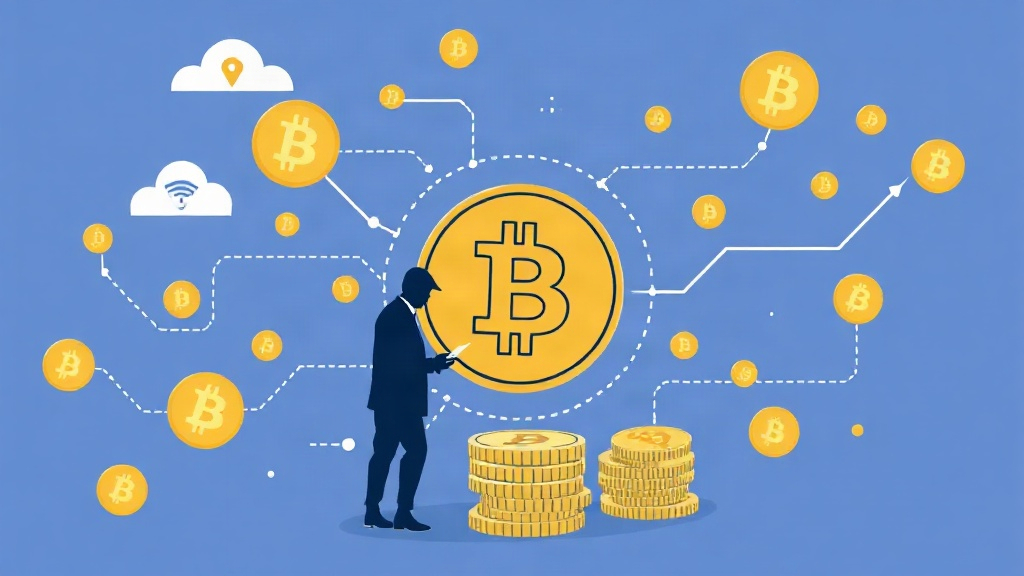
The world of digital assets is thrilling, but it comes with inherent dangers. Crypto trading offers immense potential, yet navigating this landscape requires a deep understanding of the various risks involved. From wild market swings to complex regulatory environments, staying informed is your best defense. Unlike traditional stock markets, blockchain transactions are irreversible, meaning a mistake or a hack cannot be easily undone. This article explores the primary risks associated with crypto trading and provides practical strategies to mitigate them, helping you protect your hard-earned capital and build a sustainable approach to the markets.
Market Volatility and Price Swings
Cryptocurrencies are notoriously volatile. Prices can skyrocket one day and plummet the next based on minor news cycles, social media trends, or even celebrity endorsements. For traders, this means high potential rewards but equally high potential losses. You might invest heavily based on a bullish trend only to see the value evaporate overnight. Leveraged trading, such as margin trading, amplifies this volatility exponentially, turning small market moves into massive financial disasters. For less experienced traders, this volatility can be particularly deceptive, luring them into overleveraged positions that they cannot escape when the market reverses. Understanding how to manage your exposure to these swings is crucial for survival in the crypto space. Emotional trading, driven by fear of missing out (FOMO) or panic selling, often leads to catastrophic decisions. Relying solely on technical indicators without considering broader macroeconomic factors can leave you highly vulnerable to sudden, irrational market movements.
Regulatory and Legal Uncertainties
The legal status of cryptocurrencies varies wildly across jurisdictions. What is perfectly legal in one country might be heavily restricted or outright banned in another. Regulatory shifts can happen overnight, impacting how exchanges operate and how you must report your transactions. In some regions, the lack of clear frameworks means investors operate in a legal gray area, facing severe financial penalties if authorities decide to pursue them. For instance, the SEC's increasing scrutiny of crypto projects in the United States has created a highly unpredictable environment for institutional and retail investors alike. Furthermore, Know Your Customer (KYC) and Anti-Money Laundering (AML) requirements are becoming stricter globally, meaning your identity and transaction history are increasingly scrutinized by governments and financial institutions, requiring you to maintain meticulous records of every trade for tax purposes, adding another layer of administrative burden to your crypto journey.
Cybersecurity and Exchange Hacks
The crypto ecosystem is a prime target for cybercriminals. Centralized exchanges have been hacked multiple times, resulting in millions of dollars lost to malicious actors who exploit weak server security. Beyond exchange hacks, phishing scams, malware, and SIM-swapping attacks threaten your personal keys and seed phrases. Even decentralized finance (DeFi) protocols are not immune to exploits, where vulnerabilities in poorly audited smart contracts can drain funds instantly. Protecting your assets requires constant vigilance, robust security practices, and using hardware wallets for long-term storage. Never share your private keys, and always verify the authenticity of any platform you interact with, ensuring you are not on a fraudulent clone site designed to steal your credentials.
Liquidity Risks
Liquidity refers to the ease with which an asset can be bought or sold without causing a significant price change. While major cryptocurrencies like Bitcoin and Ethereum are generally highly liquid, smaller altcoins often suffer from low liquidity. If you try to sell a low-liquidity coin during a market downturn, you might struggle to find a buyer at any price, a phenomenon known as slippage. This can trap you in an asset that is rapidly losing value, making it impossible to exit your position when you desperately need to. Large whale movements can also freeze out smaller traders, creating artificial liquidity crunches where only the lowest buy orders get filled, leaving sellers trapped at rock-bottom prices.
Practical Tips for Mitigating Risks
- Diversify your portfolio: Avoid overexposure to a single asset to protect against extreme market swings and prevent a single failure from wiping out your entire investment.
- Use reputable exchanges: Choose platforms with strong security track records, cold storage for funds, and insurance policies for digital assets against hacks.
- Implement strong authentication: Use hardware security keys or reliable authenticator apps instead of SMS-based two-factor authentication to prevent SIM-swapping attacks.
- Store assets offline: Move funds to hardware wallets as soon as you finish trading to minimize your online exposure and drastically reduce the attack surface.
- Only invest what you can afford to lose: Given the extreme volatility and the prevalence of leverage, never put emergency funds or essential living expenses at risk.
- Stay informed on regulations: Keep up with local and international laws to avoid compliance issues, tax liabilities, and sudden legal trouble.
Conclusion
Crypto trading is a double-edged sword. The potential for massive returns is matched only by the risk of devastating losses. By acknowledging market volatility, legal uncertainties, cybersecurity threats, and liquidity issues, you can better prepare yourself to navigate the crypto landscape safely. Always trade with caution, educate yourself continuously, and employ strict risk management strategies. The crypto journey is undoubtedly challenging, but with the right precautions and a disciplined approach, it remains an exciting and potentially highly rewarding frontier. Knowledge is your greatest tool; let it guide your investments.